
The Allure of Casino Gambling
Casino gambling has a unique appeal that draws millions of players worldwide. The excitement and thrill associated with placing bets and winning can activate a range of psychological responses. Many individuals find themselves captivated by the ambiance of a casino, where flashing lights and sounds create a stimulating environment that heightens emotional responses. This multisensory experience can encourage players to immerse themselves deeply in the gaming atmosphere, leading to impulsive decisions and a heightened desire to gamble, including the rise of crypto casinos that cater to modern gamers.
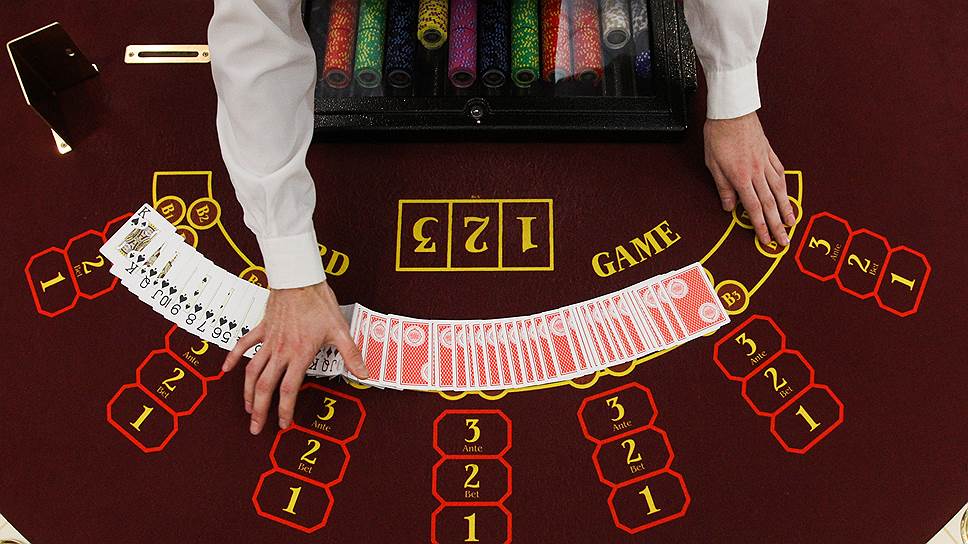
The allure of potential financial gain also plays a significant role in gambling behavior. The hope of winning large sums of money can trigger a rush of dopamine, the neurotransmitter associated with pleasure and reward, giving gamblers an exhilarating sense of euphoria. This feeling not only reinforces their desire to continue playing but can also lead to a cycle of repeated behaviors, where players seek to replicate their earlier successes.
The Role of Cognitive Biases
Cognitive biases significantly influence gambling behavior, leading individuals to make irrational decisions. One common bias is the illusion of control, where gamblers believe they can influence the outcome of games that are entirely randomized, such as slots or roulette. This misconception enhances their confidence and encourages them to gamble more, despite the odds being stacked against them.
Another prevalent cognitive bias is confirmation bias, where gamblers remember and focus on their wins while downplaying their losses. This selective memory reinforces the belief that they are lucky or skilled, prompting them to continue gambling. By understanding these biases, we can gain insights into why some individuals become trapped in cycles of gambling despite negative consequences.
Emotional Factors in Gambling
Emotions play a crucial role in gambling behavior, often serving as a driving force for many players. People may turn to gambling as a means to escape stress, loneliness, or depression. The thrill of winning can provide a temporary reprieve from negative emotions, creating a problematic relationship with gambling as a coping mechanism. Over time, this can lead to a reliance on gambling to manage emotional distress, further exacerbating the issue.
Moreover, the social aspect of casino gambling cannot be ignored. Many players enjoy the camaraderie that comes with shared experiences, whether cheering for a win at a blackjack table or celebrating together on a night out. This social interaction can enhance the gambling experience but can also lead to peer pressure, where individuals feel compelled to gamble more to fit in or impress others.
The Impact of Environment and Design
The design of casinos is strategically crafted to encourage gambling behavior. From the layout to the decor and even the scent, everything is purposefully arranged to keep players engaged for as long as possible. Casinos often lack windows and clocks, creating a timeless environment where players lose track of their time and money spent. This immersive design manipulates perceptions and can make it challenging for individuals to recognize when they’ve reached their limits.
Moreover, the layout of gaming machines and tables promotes a sense of accessibility and excitement. The proximity of games, vibrant colors, and enticing sounds work in tandem to create an enticing atmosphere. This careful environmental manipulation can significantly contribute to impulsive gambling decisions, as players feel compelled to participate in more games as they navigate through the casino.

Responsible Gambling and Resources
Understanding the psychology behind gambling behavior is essential in promoting responsible gambling practices. By recognizing the factors that contribute to unhealthy gambling habits, individuals can better manage their gaming activities. Resources dedicated to gambling education can equip players with the knowledge to make informed decisions, encouraging them to set limits and seek help if needed.
Additionally, support systems and therapy programs play a vital role in helping individuals struggling with gambling addiction. Awareness campaigns and community resources can provide essential guidance and support, allowing players to regain control over their gambling behavior and make healthier choices.